Eagle

Failed Exploration

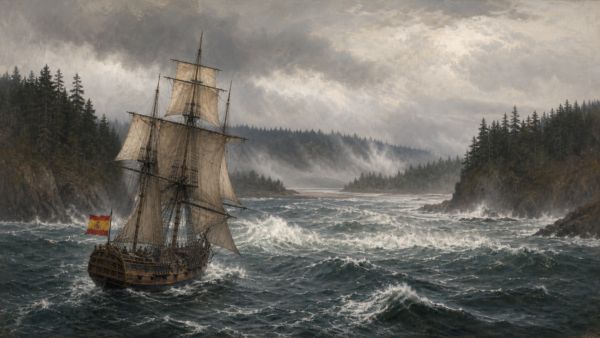
Spanish explorer Bruno de Heceta led an expedition along the Pacific Coast. Although he attempted to enter the Columbia River, hazardous conditions prevented him from doing so. He named the river Río de San Roque, or the River of Saint Roch.
The Origins of the Chehalis Name

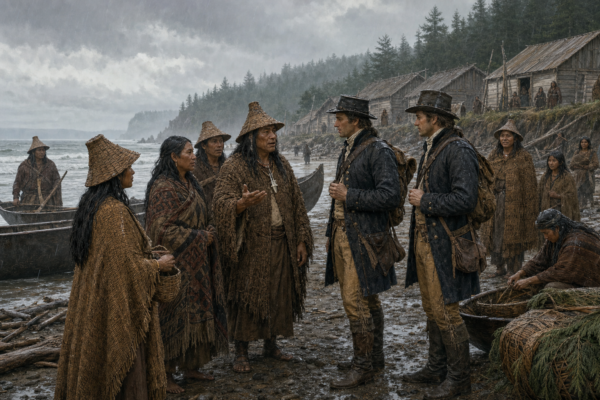
American Captain Robert Gray entered the bay he named Bullfinch Harbor, now known as Grays Harbor. His arrival marked the first recorded contact between the Chehalis Tribes and non-Native people. The first village he encountered was called Chehalis—a name that originally referred to a place and, over time, came to identify our People.

British Encounter

British Captain George Vancouver encountered members of the Chehalis and Chinook Tribes in their winter villages at Shoalwater Bay.

Lewis & Clark Expedition

American explorers Meriwether Lewis and William Clark visited Chiltz, a Chehalis village located along the coast near present-day Point Lewis.

Fort Astoria

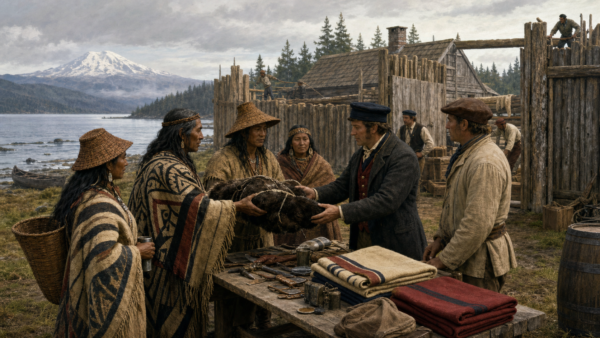
Fort Astoria, later known as Fort George, was established, leading to increased trade and interaction with non-Native people.


Fort Vancouver

Fort Vancouver was established, further increasing trade and interactions with non-Native people.


Fort Nisqually

Fort Nisqually was established, further expanding trade and interactions with non-Native people.

Ministry at Fort George

The Reverend John H. Frost preached to Chehalis people encamped at Fort George, also known as Fort Astoria, along the Columbia River.


The Tansy Point Treaty

The Tansy Point Treaty, one of several agreements collectively known as the Dart Treaties, may have included the Chehalis Tribes. Negotiated by Anson Dart, Superintendent of Indian Affairs for the Oregon Territory, but the treaties were never ratified.

The Chehalis River Treaty Council

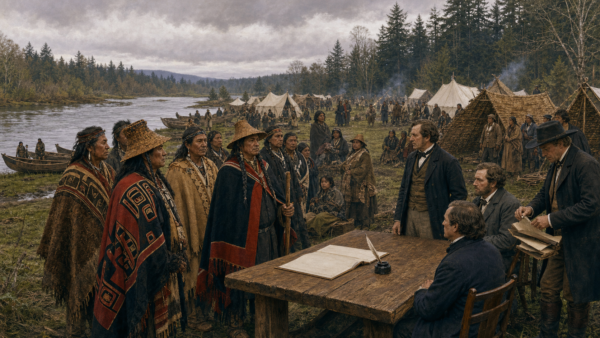
The Chehalis River Treaty Council convened along the banks of the Chehalis River near present-day Cosmopolis. Negotiations concluded without an agreement, and the council adjourned without a treaty in place.